Introduction
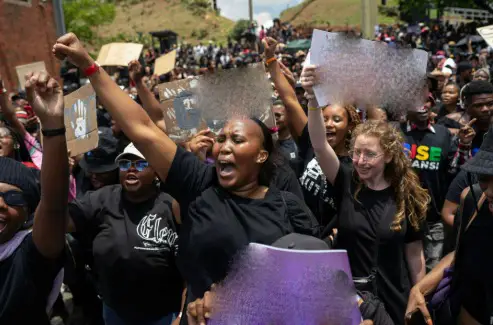
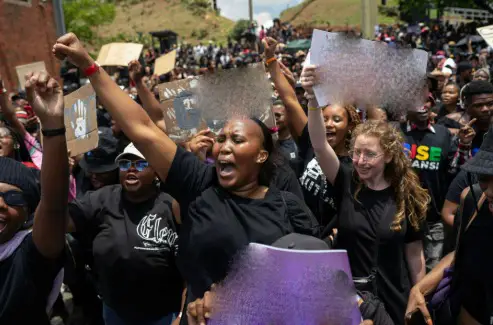
Les manifestations G20 aux abords du Nasrec Expo Centre ont mis en lumière la profondeur des frustrations sociales en Afrique du Sud, au moment même où les dirigeants mondiaux se réunissaient pour discuter de développement et de coopération. Des manifestants d'Operation Dudula, du MK Party et de plusieurs groupes communautaires se sont rassemblés près du site pour soulever des préoccupations urgentes autour de l'immigration, des violences basées sur le genre et du chômage des jeunes en hausse.
Alors que la police tentait de contenir la foule, des affrontements ont éclaté et plusieurs manifestants ont été arrêtés. Beaucoup estiment que les zones de manifestation ont été délibérément placées trop loin du périmètre principal du G20, ce qui a réduit leur visibilité et étouffé leur message. Ces manifestations s'inscrivent désormais dans une vague de mécontentement plus large, liée à l'arrêt national prévu le 24 novembre.
Les manifestations G20 font de Nasrec une zone sous haute tension
Les manifestations G20 ont transformé les environs habituellement calmes du Nasrec Expo Centre en une zone sous haute tension. À l'intérieur, les délégués débattaient de commerce, de sécurité et de grands défis mondiaux, tandis qu'à l'extérieur, les manifestants réclamaient des réponses sur des problèmes domestiques urgents. De grands groupes se sont rassemblés sur différentes voies d'accès, cherchant à se rapprocher du site.
La police est intervenue rapidement pour éloigner les foules du périmètre sécurisé. Des confrontations tendues ont suivi, les manifestants insistant sur leur droit à être vus des observateurs internationaux. Les agents, eux, avaient reçu des consignes strictes pour garantir un accès sans entrave aux dirigeants mondiaux. La tension entre liberté d'expression et sécurité du sommet a fait de ces manifestations un véritable point d'explosion.
Les scènes à Nasrec ont mis en évidence le fossé entre les événements diplomatiques et les réalités quotidiennes des Sud-Africains — montrant comment les grandes rencontres mondiales peuvent, sans le vouloir, amplifier les tensions locales.
Les manifestations G20 mettent les tensions autour de l'immigration sous les projecteurs
Les tensions autour de l'immigration ont été l'un des thèmes les plus présents lors de ces manifestations. Les membres d'Operation Dudula ont profité de l'occasion pour amplifier leurs frustrations de longue date face à la migration irrégulière. Ils ont imputé à la faiblesse du contrôle aux frontières la hausse de la criminalité, la saturation des services publics et le manque d'emplois. Beaucoup ont soutenu que les responsables gouvernementaux ignorent les préoccupations citoyennes en matière de sécurité et de pression économique.
Des pancartes réclamaient un contrôle plus strict de l'immigration, tandis que des intervenants accusaient les dirigeants de défendre des « intérêts élitistes » au détriment des communautés. Des voix critiques ont prévenu que de tels messages risquent d'alimenter la xénophobie et d'enflammer les tensions entre locaux et ressortissants étrangers. Leurs partisans affirment, eux, que leurs revendications portent sur la responsabilité, pas sur la haine.
En plaçant l'immigration au cœur des manifestations, les activistes ont fait en sorte que la question atteigne un public mondial. Elles ont illustré comment l'immigration est devenue un point de pression politique, influençant le sentiment des électeurs et la colère populaire à l'approche de décisions nationales.
Les manifestations G20 révèlent la crise nationale des violences basées sur le genre
Les violences basées sur le genre ont émergé comme l'une des questions les plus urgentes soulevées lors de ces manifestations. Des activistes ont brandi des pancartes reflétant une réalité dévastatrice : on estime que 118 viols sont commis chaque jour en Afrique du Sud. Ils ont soutenu que ce niveau de violence ne constitue pas seulement une crise sociale, mais une véritable urgence nationale.
Les manifestants ont accusé les autorités de laisser tomber les survivantes par des enquêtes trop lentes, des unités de police sous-financées et un accès limité aux services d'aide. Beaucoup ont dit que les stratégies du gouvernement semblent prometteuses sur le papier, mais n'ont aucun impact réel sur le terrain. Leur message était clair : la diplomatie mondiale ne peut pas éclipser la peur quotidienne vécue par les femmes et les enfants.
En intégrant les revendications sur les VBG dans les manifestations, les activistes ont fait en sorte que la question se retrouve au même niveau que les préoccupations économiques et sécuritaires. Leur présence a rappelé aux dirigeants que sans sécurité, aucun progrès n'est complet.
Les manifestations G20 alimentées par la colère face au chômage des jeunes
Le chômage des jeunes — actuellement autour de 46 % — a été l'un des principaux moteurs émotionnels de ces manifestations. De nombreux jeunes ont rejoint les rassemblements, affirmant que le gouvernement a, à maintes reprises, failli à ouvrir des voies vers un emploi digne.
Les manifestants ont décrit l'envoi de dizaines de CV, la survie grâce à des emplois temporaires et la perte d'espoir dans les systèmes d'emploi formels. Beaucoup estimaient que le sommet du G20 ne leur apporterait pas de véritables opportunités, malgré les promesses publiques d'investissement et de croissance. Ils ont dit, au contraire, que les dirigeants semblent déconnectés des difficultés vécues par les jeunes des townships et des zones rurales.
Pour ces manifestants, descendre dans la rue était avant tout un acte de visibilité. Ils voulaient que le monde sache que pendant qu'on discute de plans économiques en chambre, des millions de personnes restent piégées dans le chômage et la pauvreté. Leur participation reflète une génération montante qui réclame l'inclusion et la responsabilité.
Les manifestations G20 et la colère face aux zones de protestation « invisibles »
L'un des points de colère les plus vifs lors de ces manifestations était l'emplacement des zones désignées pour manifester. Les organisateurs ont indiqué que ces zones étaient situées trop loin des bâtiments du sommet, empêchant délégués et médias de voir ou d'entendre les manifestants.
Pour beaucoup de manifestants, cela ressemblait à une tentative de museler leur message et de donner une image de calme aux invités internationaux. Les autorités ont rétorqué que cette distance était nécessaire pour des raisons de sécurité et de gestion des foules. La tension a monté d'un cran quand certains groupes ont tenté de se rapprocher du site, ce qui a entraîné des affrontements et des arrestations.
Ces manifestations ont montré comment l'emplacement des zones réservées peut influencer toute la dynamique d'un rassemblement. Quand les gens se sentent mis à l'écart, ils poussent souvent plus fort — transformant des rassemblements pacifiques en moments de confrontation.
Les manifestations G20 alimentées par la frustration face à l'inaction du gouvernement
Un thème central derrière ces manifestations était la frustration face à l'inaction du gouvernement dans de nombreux secteurs. Beaucoup de Sud-Africains estiment que les dirigeants prennent des engagements répétés sans changement visible. Les manifestants ont dit que des problèmes comme la hausse de la criminalité, la faiblesse des forces de l'ordre, la stagnation de la création d'emplois et les réponses inefficaces aux VBG reflètent des promesses non tenues.
Ce sentiment de désillusion était visible dans les slogans, les interviews et les pancartes écrites à la main. Les gens ont exprimé leur colère face à ce qu'ils ont appelé « la politique sans résultats », affirmant que les communautés en ont assez d'attendre des réformes qui ne viennent jamais. Pour beaucoup, le sommet du G20 est devenu le symbole du fossé entre le discours gouvernemental et la réalité quotidienne.
Ces manifestations montrent à quelle vitesse la frustration peut s'emballer quand les citoyens perçoivent leurs dirigeants comme distants ou sourds à leurs préoccupations. Les troubles ont servi d'avertissement : ignorer les doléances populaires peut mener à une instabilité nationale plus grande.
Les manifestations G20 alimentent l'élan vers l'arrêt national du 24 novembre
Ces manifestations sont directement liées à l'arrêt national prévu le 24 novembre, que les activistes présentent comme une démonstration de l'ampleur du mécontentement à l'échelle nationale. Les organisateurs ont profité de la visibilité autour de Nasrec pour rallier des soutiens et mobiliser les communautés en vue de cette prochaine action.
Lors des prises de parole, les leaders des manifestations ont appelé travailleurs, étudiants et entreprises à participer à l'arrêt national comme un geste pacifique mais puissant. Ils ont soutenu que seule une perturbation à grande échelle obligera les dirigeants à reconnaître la crise vécue par les gens ordinaires.
Les manifestations ont servi de répétition générale pour ce que les organisateurs espèrent être une mobilisation bien plus grande. Que l'arrêt réussisse ou non, l'énergie affichée à Nasrec montre un pays qui se dirige vers des formes plus audacieuses de pression populaire.
Les manifestations G20 soulignent le bras de fer entre ordre public et liberté d'expression
Ces manifestations ont mis en lumière la tension permanente entre le maintien de l'ordre public et la protection des droits constitutionnels. La police a insisté sur le fait qu'une application stricte de la loi était nécessaire pour protéger les délégués internationaux et éviter les perturbations. Les manifestants ont soutenu avoir été confrontés à une force excessive, notamment lorsqu'ils ont tenté de sortir des zones de manifestation délimitées.
Cette tension est bien connue en Afrique du Sud, où les manifestations publiques se heurtent souvent à des ressources policières sous pression. Pendant que les autorités sécurisaient le sommet, de nombreux citoyens ont eu le sentiment que leur liberté d'expression était sacrifiée au profit de l'image publique et de la stabilité diplomatique.
Les manifestations G20 révèlent le besoin d'une meilleure négociation, d'une communication plus claire et d'une approche plus équilibrée dans la gestion des rassemblements — surtout lors d'événements de haut niveau où la visibilité est au cœur de l'enjeu.
FAQs
Q1 : Qu'est-ce qui a provoqué les manifestations G20 à Nasrec ?
Les manifestations G20 ont été provoquées par la colère autour de l'immigration, des violences basées sur le genre, du chômage des jeunes et du sentiment que le gouvernement ne répond pas aux préoccupations de la population.
Q2 : Comment les manifestations G20 ont-elles mené à des arrestations ?
Plusieurs arrestations ont eu lieu quand des manifestants auraient tenté de dépasser les zones désignées et ont confronté la police chargée de la sécurité du sommet.
Q3 : Pourquoi les manifestations G20 sont-elles liées à l'arrêt du 24 novembre ?
Les manifestations G20 ont contribué à alimenter l'élan en faveur de l'arrêt national en mettant en lumière la frustration nationale et en mobilisant des soutiens dans les communautés.
Conclusion
Les manifestations G20 aux abords de Nasrec reflètent une nation aux prises avec des insécurités liées à la sécurité, au chômage et à la responsabilité politique. Les arrestations, les affrontements et les témoignages chargés d'émotion ont révélé à quel point de nombreux Sud-Africains se sentent concernés par l'immigration, les violences basées sur le genre et l'absence de perspectives économiques.
Les manifestations ont envoyé un message clair : les citoyens veulent des actions urgentes et visibles. Si les dirigeants ignorent les avertissements exprimés lors de ces manifestations, l'Afrique du Sud risque de connaître des troubles encore plus intenses dans les mois à venir.