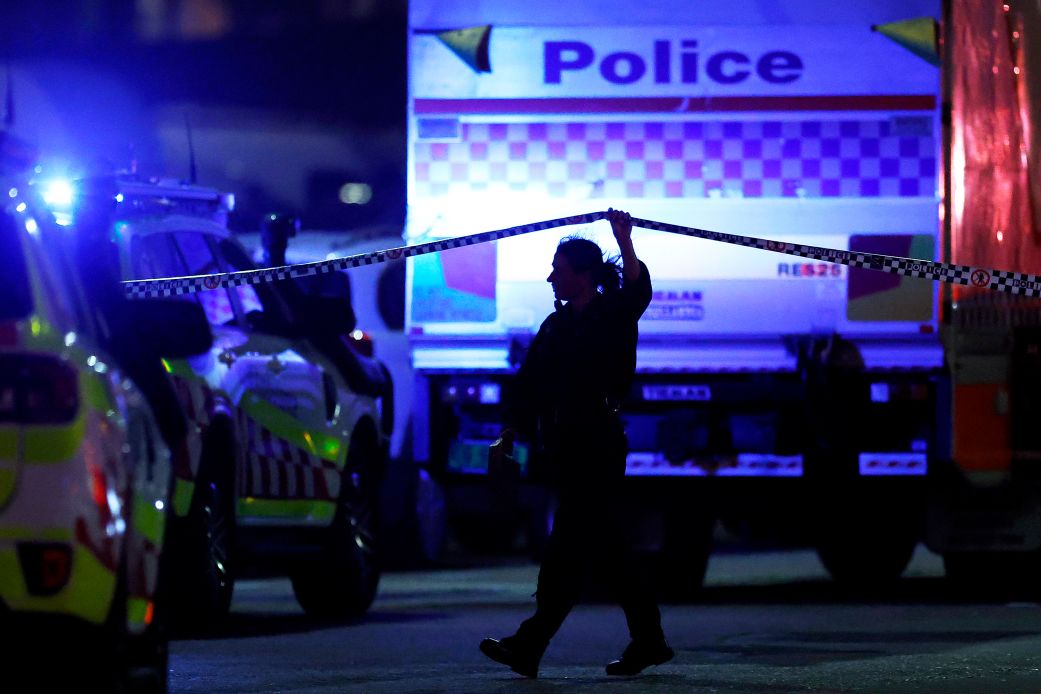
L'attentat de Sydney, le 14 décembre 2025, lors du festival de Hanoukka de Bondi Beach, « Chanukah by the Sea », a plongé l'Australie dans la stupeur. Un père et son fils, Sajid Akram (50 ans) et Naveed Akram (24 ans), ont mené une attaque meurtrière qui a coûté la vie à 15 personnes, dont un enfant et le rabbin Eli Schlanger, et blessé plus de 40 autres.
Les autorités ont désamorcé deux engins explosifs artisanaux retrouvés liés au véhicule des assaillants. Un passant courageux a maîtrisé l'un des tireurs, évitant ainsi d'autres morts. Cet événement est désormais reconnu comme la pire attaque antisémite survenue en Australie depuis 1996.
Réponse d'urgence et premières mesures
La police et les services d'urgence ont agi rapidement :
- La police a sécurisé les lieux, neutralisé les menaces et organisé l'évacuation.
- Les secouristes ont prodigué les premiers soins et coordonné les transferts vers les hôpitaux.
- Des civils ont aidé à mettre en sécurité les enfants et les personnes âgées présentes sur place.
« C'était terrifiant, mais la réaction a été immédiate et efficace », a témoigné un témoin.
L'attentat a laissé de profondes cicatrices émotionnelles dans la communauté juive et au-delà.
Victimes et deuil
L'attaque a emporté des vies de tous âges :
- Des enfants, des adultes et des responsables religieux figuraient parmi les victimes.
- Les familles sont en deuil tandis que les survivants font face au traumatisme.
- Des commémorations et des veillées ont été organisées à travers toute Sydney.
« Nous sommes aux côtés des familles dans leur deuil et leur recueillement », a déclaré le rabbin Mendel Weiss.
Les autorités ont souligné l'importance du soutien psychologique et émotionnel pour les survivants et les familles touchées.
Condamnation gouvernementale et mesures annoncées
Le Premier ministre Anthony Albanese a condamné l'attentat de Sydney comme un acte d'« antisémitisme pur et mauvais » et a annoncé des mesures immédiates :
- Un renforcement de la législation sur le contrôle des armes à feu.
- Des protocoles de sécurité renforcés pour les événements publics et les rassemblements religieux.
- Des ressources supplémentaires pour les services d'urgence afin de répondre aux incidents faisant de nombreuses victimes.
« Nous ferons en sorte que de telles tragédies ne se reproduisent plus à l'avenir », a affirmé Albanese.
Les autorités travaillent en étroite collaboration avec les responsables de la communauté juive pour mettre en place des mesures de sécurité à long terme.
Témoignages et actes d'héroïsme
Les survivants ont décrit des moments de courage :
- Des parents ont protégé leurs enfants de leur corps en fuyant les tirs.
- Des civils sont intervenus pour maîtriser les assaillants, évitant d'autres décès.
- Les secouristes ont prodigué des soins vitaux dans des conditions chaotiques.
« Au cœur de la terreur, des actes d'héroïsme ont sauvé de nombreuses vies », a confié un participant.
Ces actes héroïques soulignent l'importance de la vigilance et d'une réaction immédiate face aux situations d'urgence.
Impact psychologique sur les survivants
Les experts en santé mentale mettent en garde contre les risques de traumatismes à long terme :
- Les survivants risquent de souffrir de stress post-traumatique, d'anxiété et de dépression.
- Les enfants qui ont été témoins des violences sont particulièrement vulnérables.
- Les programmes d'accompagnement psychologique et les réseaux de soutien sont en cours d'élargissement.
« Le soutien psychologique est indispensable pour les personnes touchées par l'attentat de Sydney », a déclaré le Dr Hannah Cooper, psychologue clinicienne.
Les autorités encouragent les survivants à consulter des professionnels de santé mentale et à faire appel aux ressources communautaires disponibles.
Leçons de sécurité et mesures préventives
L'attentat met en lumière la nécessité d'une meilleure préparation :
- Les événements publics doivent se doter de mesures de sécurité et de plans d'urgence.
- La sensibilisation et la préparation des civils permettent de réduire le nombre de victimes.
- La coordination entre les services d'urgence, les bénévoles et les organisateurs est essentielle.
« La préparation peut sauver des vies, comme l'a montré l'attentat de Sydney », a déclaré le conseiller à la sécurité nationale Michael Johnson.
En réponse, l'Australie revoit ses lois sur les armes à feu, ses protocoles de sécurité publique et ses politiques de lutte contre le terrorisme intérieur.
Réaction internationale
L'attentat a suscité une attention internationale :
- Des organisations juives et des gouvernements du monde entier ont exprimé leur solidarité.
- Les médias ont mis en avant le bilan humain et la motivation antisémite de l'attaque.
- Les réseaux sociaux ont relayé les témoignages des survivants et encouragé le soutien aux victimes.
« La communauté internationale est aux côtés de Sydney pour condamner cet acte horrible », a déclaré un porte-parole de l'International Jewish Council.
L'attention internationale renforce la nécessité de lutter contre l'antisémitisme et de protéger les communautés vulnérables.
Reconstruction et résilience de la communauté
Malgré la tragédie, la communauté de Sydney fait preuve de résilience :
- Les veillées, l'accompagnement psychologique et les commémorations aident les survivants et les familles à se reconstruire.
- Des programmes communautaires sont axés sur le rétablissement après le traumatisme, la sensibilisation et la résilience.
- Les survivants partagent leurs récits de courage et de solidarité pour insuffler de l'espoir.
« Même dans l'obscurité, l'espoir et l'unité l'emportent », a déclaré la responsable communautaire Miriam Cohen.
Les efforts de reconstruction soulignent l'importance du soutien gouvernemental, de la solidarité communautaire et des ressources en santé mentale.
Perspectives d'avenir
L'attentat met en évidence la nécessité de mesures préventives et à long terme :
- Des protocoles de sécurité renforcés lors des rassemblements publics et des événements religieux.
- Des réformes législatives sur le contrôle des armes à feu et la surveillance du terrorisme intérieur.
- Une prise en charge psychologique à long terme pour les survivants et les témoins.
- La sensibilisation du public et la formation aux interventions d'urgence.
Les autorités restent déterminées à prévenir des attaques similaires tout en garantissant la sécurité et le soutien des communautés.
Conclusion
L'attentat de Sydney du 14 décembre a fait 16 morts et plus de 40 blessés, plongeant Sydney et l'Australie dans le deuil. Les interventions héroïques de civils et de secouristes ont évité un bilan encore plus lourd.
Les initiatives gouvernementales, la résilience de la communauté et le soutien international soulignent l'importance de la préparation, de la sécurité et des ressources en santé mentale. Cette tragédie rappelle les dangers de l'antisémitisme et la nécessité absolue de protéger les communautés vulnérables.