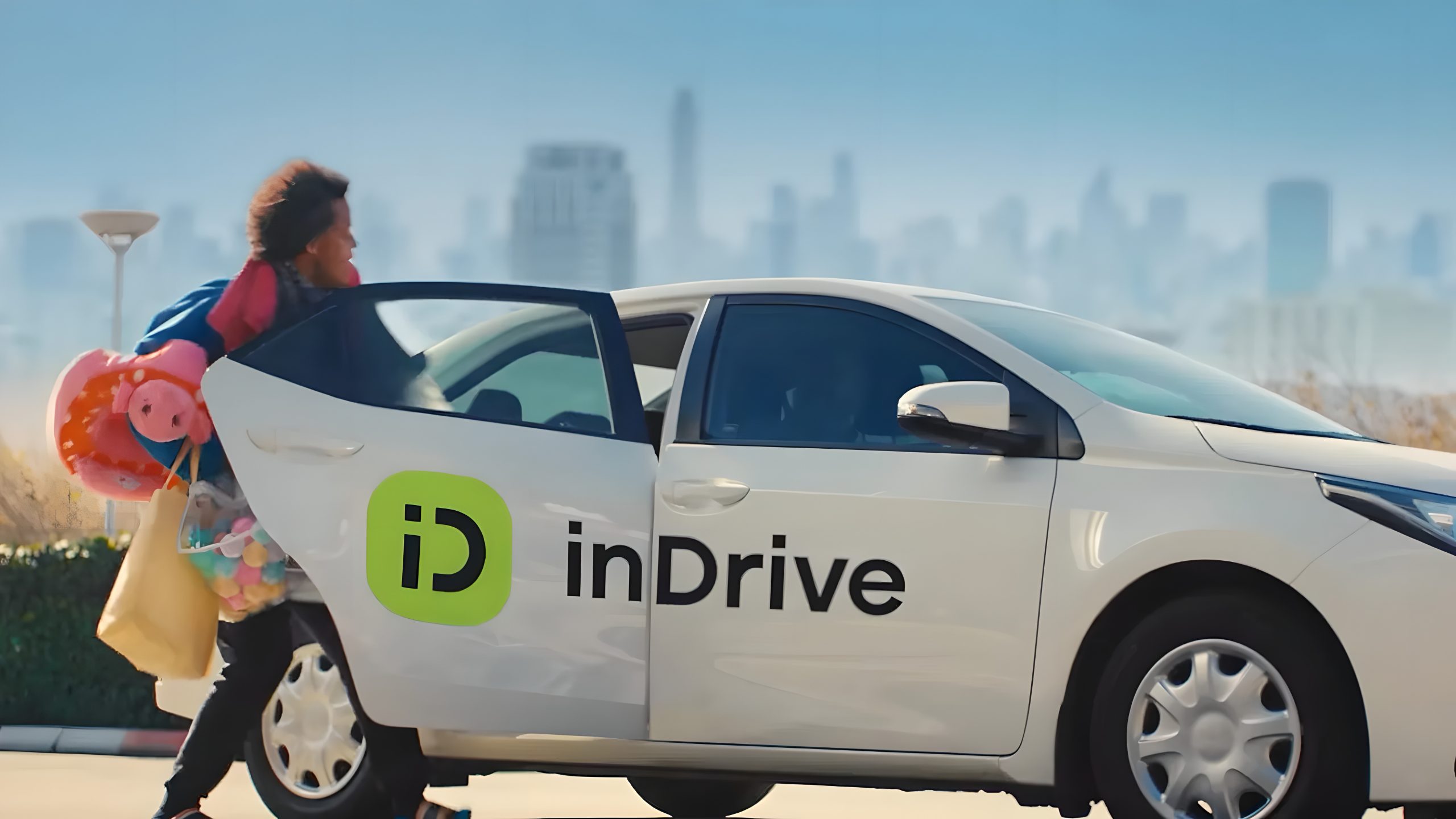
Les chauffeurs de VTC sud-africains vont bénéficier de l'inDrive Relief, la plateforme ramenant sa commission à seulement 1 %. Cette initiative intervient dans un contexte de hausse des prix du carburant et du coût de la vie, qui pèsent lourdement sur les travailleurs de l'économie à la tâche.
Cette décision renforce l'engagement d'inDrive envers ses chauffeurs, en leur apportant un soulagement financier immédiat tout en positionnant la plateforme comme un service compétitif, centré sur les chauffeurs.
Les défis croissants du secteur VTC
Ces derniers mois, les chauffeurs ont dû faire face à des difficultés de plus en plus importantes :
- Hausse des coûts du carburant qui plombe la rentabilité
- Charges d'entretien des véhicules élevées
- Pressions économiques telles que l'inflation, qui grèvent les revenus quotidiens
Sur la plupart des plateformes VTC, la commission standard, qui va de 10 à 25 %, laisse souvent aux chauffeurs des revenus limités malgré de longues heures de travail. La politique inDrive Relief s'attaque à ces problèmes en maximisant le revenu net des chauffeurs.
Déclaration officielle d'inDrive
Un porte-parole de la société a déclaré :
« inDrive Relief permet à nos chauffeurs de conserver une plus grande part de leurs revenus. Ramener la commission à 1 %, c'est une réponse directe aux difficultés économiques, et cela reflète notre engagement envers le bien-être des chauffeurs. »
Cette déclaration confirme la priorité qu'inDrive accorde à une rémunération équitable et à une relation durable avec ses chauffeurs.
Impact sur les chauffeurs et la qualité du service
Chauffeurs :
- Garder une plus grande part des gains par course
- Moins de stress financier
- Motivation accrue et fidélité à la plateforme
Passagers :
- La qualité du service devrait s'améliorer
- Peu de changements sur les tarifs
- Des temps de réponse potentiellement plus rapides, les chauffeurs étant davantage incités à se connecter
L'initiative inDrive Relief renforce la position concurrentielle de la plateforme face à des services VTC à commissions plus élevées comme Uber et Bolt.
Implications pour le marché
Des analystes du secteur estiment que la réduction de commission dans le cadre d'inDrive Relief pourrait transformer le paysage du VTC :
- Attirer de nouveaux chauffeurs en provenance des plateformes concurrentes
- Favoriser une meilleure rétention des chauffeurs actuels
- Pousser les concurrents à revoir leurs taux de commission
Cette stratégie témoigne de la volonté d'inDrive de bâtir un modèle d'économie à la tâche durable, favorable aux chauffeurs.
Importance économique pour les chauffeurs
La réduction de commission inDrive Relief s'inscrit dans le contexte économique actuel de l'Afrique du Sud :
- La hausse du carburant et du coût de la vie réduit le revenu disponible des chauffeurs
- La réduction des commissions de la plateforme garantit une stabilité financière
- Soutient les opportunités d'emploi flexible en milieu urbain et rural
Selon des experts, de telles initiatives sont essentielles pour maintenir une base de chauffeurs fiable et motivée.
Réactions du public et des réseaux sociaux
L'annonce d'inDrive Relief a suscité des réactions positives en ligne :
- Les chauffeurs ont salué le potentiel de revenus accru
- Les passagers apprécient l'approche centrée sur les chauffeurs
- Les observateurs du secteur y voient une tendance potentielle du marché
Les retours sur les réseaux sociaux soulignent l'importance des politiques qui accordent la priorité au bien-être des chauffeurs dans le secteur VTC.
Projets futurs pour le soutien aux chauffeurs
inDrive prévoit de compléter inDrive Relief par des mesures supplémentaires :
- Incitations pour les chauffeurs : primes pour les meilleurs
- Améliorations technologiques : optimisation des itinéraires pour réduire la consommation de carburant
- Expansion du service : couverture des villes secondaires et des zones rurales
Ces mesures confirment l'engagement d'inDrive envers la satisfaction des chauffeurs et la qualité du service.
Avis des experts
Des analystes soulignent que la baisse des commissions via inDrive Relief peut :
- Réduire le taux de rotation des chauffeurs
- Encourager davantage de courses aux heures de pointe
- Améliorer l'efficacité globale du service et la satisfaction des clients
Cette politique démontre une réactivité proactive face aux réalités financières des travailleurs de l'économie à la tâche.
Prochaines étapes pour les chauffeurs et les passagers
Les chauffeurs sont invités à :
- Suivre leurs revenus dans le cadre de la structure de commission inDrive Relief
- Adapter leurs horaires de travail pour maximiser les avantages
- Rester informés des incitations et du soutien de la plateforme
Les passagers peuvent s'attendre à :
- Une disponibilité stable du service
- Une meilleure qualité de service, à mesure que la motivation des chauffeurs augmente
Conclusion
L'initiative inDrive Relief , qui ramène la commission à 1 %, change la donne pour les chauffeurs de VTC sud-africains. En allégeant les pressions financières et en augmentant le revenu net, la plateforme démontre un engagement fort envers le bien-être des chauffeurs tout en améliorant l'efficacité globale du service.
À mesure que cette initiative se déploie, elle pourrait établir de nouvelles normes dans le secteur VTC sud-africain, soulignant l'importance de soutenir les chauffeurs dans un contexte économique difficile.