Introduction :
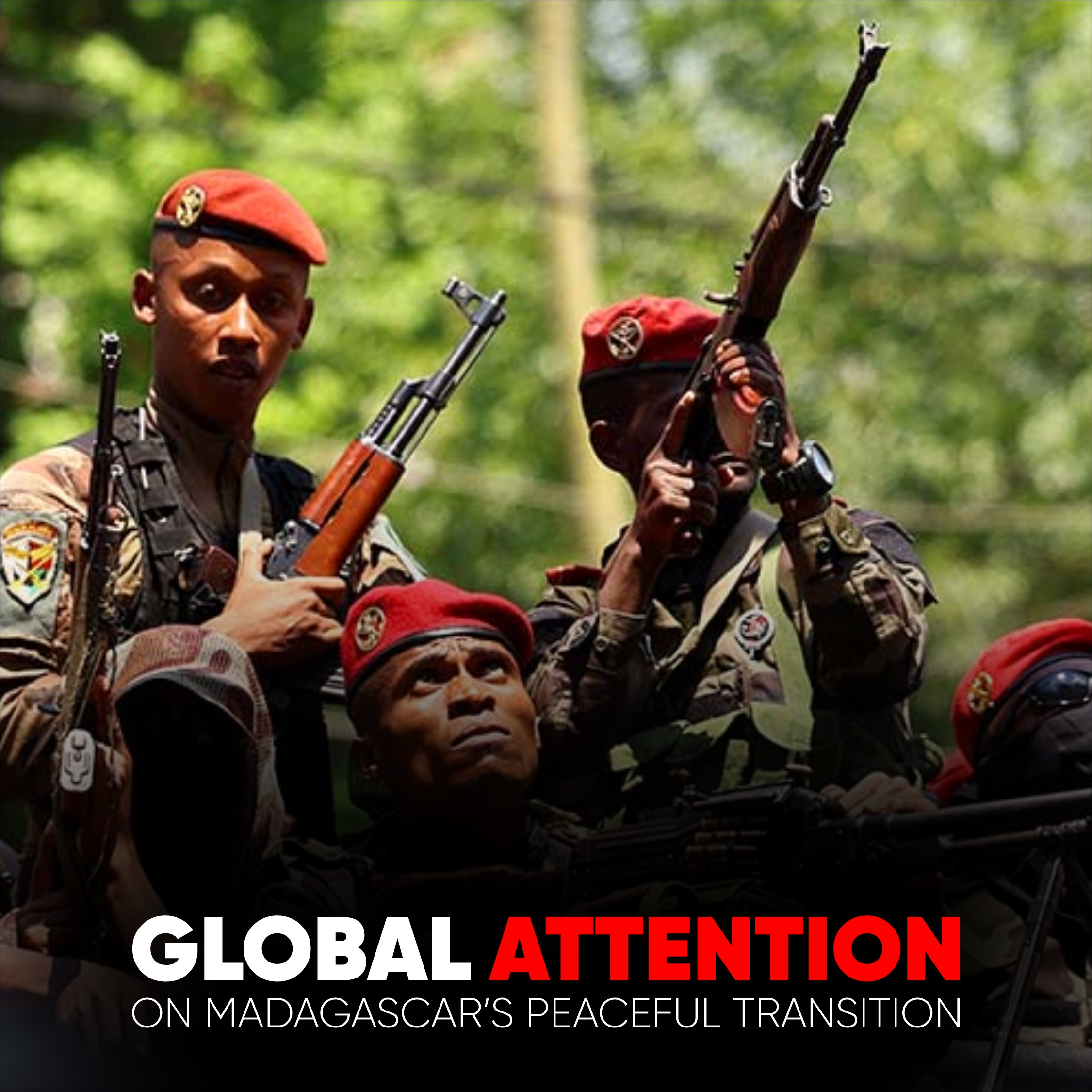
Le coup d'État à Madagascar marque un tournant politique majeur dans ce pays. Le récent coup militaire ouvre un nouveau chapitre dans la gouvernance malgache. Face à une insatisfaction populaire grandissante et à des appels à la réforme, les militaires, sous la conduite du colonel Michael Randrianirina, ont annoncé la mise en place d'un gouvernement de transition chargé de rétablir la stabilité nationale et de favoriser un développement à long terme. Ce changement décisif constitue une étape cruciale dans la transformation du paysage politique malgache.
Une nouvelle voie pour Madagascar :
Le colonel Michael Randrianirina, à la tête de l'unité militaire d'élite CAPSAT, a déclaré que l'armée prendra en charge la direction du pays pour une durée estimée entre 18 et 24 mois. Durant cette période, la priorité sera de promouvoir la bonne gouvernance, d'engager des réformes institutionnelles et de préparer le pays à des élections libres et équitables. Ce changement de direction intervient après la démission du président Andry Rajoelina, sous la pression de vastes manifestations réclamant une meilleure gouvernance, davantage d'emplois et de meilleurs services publics. L'objectif de l'armée est de poser des bases stables pour la transition démocratique du pays, tout en répondant aux préoccupations fondamentales du peuple malgache.
Engagement des jeunes et dialogue public :
Le coup d'État a également mis en lumière le rôle croissant des jeunes dans le débat politique malgache. Les mouvements citoyens menés par des jeunes ont joué un rôle central en orientant les discussions publiques, en plaidant pour plus de transparence, de responsabilité et une gouvernance efficace. Cette montée de l'activisme des jeunes reflète une tendance plus large à travers l'Afrique, où la jeunesse pousse à des appels à la réforme et à la reddition des comptes. À Madagascar, cet élan représente une occasion pour les dirigeants de renforcer leur engagement auprès des citoyens, en favorisant une plus grande inclusion et une meilleure collaboration, afin que le processus démocratique reste à l'écoute des besoins de tous.
Rétablir la stabilité et la confiance nationale :
L'objectif principal du gouvernement de transition est de restaurer la confiance, tant à l'intérieur qu'à l'extérieur, dans la trajectoire politique et économique de Madagascar. L'armée ayant promis de maintenir la stabilité, de protéger les droits des citoyens et de donner la priorité à la croissance économique, un optimisme croissant se dessine quant à l'avenir du pays. Les mois à venir seront marqués par des réformes économiques, la création d'emplois et le renforcement des institutions, le tout en vue d'assurer une prospérité durable. En misant sur la stabilité et le développement social, Madagascar entend se positionner comme un acteur plus fort dans la région de l'océan Indien.
Contexte régional et international :
Le coup d'État à Madagascar a retenu l'attention non seulement à l'intérieur du pays, mais aussi à travers l'Afrique et sur la scène internationale. Les observateurs du monde entier suivent la situation de près, cette transition offrant à Madagascar l'occasion de revoir en profondeur son modèle de gouvernance et de renforcer ses relations régionales. Les pays africains voisins et les organisations internationales insistent sur l'importance du dialogue et de la collaboration pour que Madagascar emprunte une voie pacifique et progressive. Avec la stabilité et une gouvernance bien structurée comme priorités, le pays a le potentiel de sortir renforcé sur les plans politique et économique.
Engagement en faveur d'une gouvernance transparente :
Le colonel Randrianirina et l'unité CAPSAT ont pris l'engagement de diriger avec la transparence et l'unité nationale au premier plan. La période de transition de 18 à 24 mois est conçue pour offrir un environnement sûr et stable permettant de préparer des élections démocratiques. En se concentrant sur l'État de droit, en mettant en œuvre des réformes institutionnelles clés et en améliorant les services publics, le gouvernement de transition entend répondre aux attentes de la population tout en renforçant la confiance des investisseurs locaux et étrangers. Cette période transitoire pourrait servir de fondation à la construction d'un système de gouvernance plus inclusif et plus responsable à Madagascar.
Perspectives économiques et opportunités de croissance :
La transition à Madagascar ouvre de nouvelles perspectives économiques. Le gouvernement intérimaire a exprimé un vif intérêt pour le soutien à l'entrepreneuriat, l'attraction des investissements et le développement des infrastructures afin de stimuler la croissance économique. En améliorant l'accès à l'emploi et en diversifiant des secteurs importants tels que l'agriculture, le tourisme et les énergies renouvelables, le pays entend renforcer sa résilience et améliorer sa compétitivité sur la scène mondiale. Le coup d'État représente donc non seulement un changement politique, mais aussi une occasion de recentrer les efforts sur un développement économique durable. Les réformes institutionnelles contribueront à créer un environnement propice à l'innovation et à la croissance des entreprises.
Renforcer la stabilité régionale et la coopération internationale :
En tant que l'un des plus grands États insulaires de l'océan Indien, Madagascar joue un rôle clé dans le commerce et la diplomatie régionaux. Une transition stable et efficace contribuera positivement à la stabilité régionale en Afrique et favorisera une croissance collective, la paix et la coopération. L'accent mis sur l'unité, la collaboration et la réforme de la gouvernance rejoint les objectifs des pays voisins et des organisations internationales qui prônent la paix et la prospérité sur le continent. Cette phase de transition offre ainsi l'occasion de renforcer les liens internationaux de Madagascar et de promouvoir une Afrique plus intégrée et plus solide.
Sentiment populaire et optimisme pour l'avenir :
Les premières réactions de la population malgache témoignent d'un optimisme prudent. Les citoyens espèrent que le nouveau gouvernement donnera la priorité à la reddition des comptes, à la transparence et au développement à long terme. En misant sur le dialogue, la réforme et l'inclusion, les dirigeants cultivent la confiance et la coopération au sein de la population — des ingrédients essentiels à une réussite durable. Le coup d'État est perçu non pas seulement comme un changement de direction, mais comme le début d'un parcours de transformation vers la bonne gouvernance et l'unité nationale.
Une voie vers le renouveau et le progrès :
La nouvelle phase de gouvernance à Madagascar se dessine autour d'une vision de renouveau, de responsabilité et de progrès. La direction de transition vise à stabiliser le pays, à promouvoir l'inclusion et à mettre en œuvre des réformes qui ouvrent la voie à des élections démocratiques. Au cours des deux prochaines années, des réformes stratégiques dans les sphères politique et économique devraient poser des bases solides pour l'avenir de Madagascar. L'accent sera mis sur l'amélioration de l'éducation, de la santé publique et des opportunités économiques afin que tous les citoyens puissent bénéficier du progrès national. Avec la volonté collective et la coopération, Madagascar est en bonne posture pour sortir plus fort, plus uni et prêt à affronter les défis de l'avenir.
Conclusion :
Le coup d'État à Madagascar marque un tournant dans la quête du pays pour la stabilité, la réforme et le développement à long terme. Sous la conduite du colonel Michael Randrianirina et du gouvernement de transition, Madagascar entre dans une nouvelle ère axée sur la transparence, la responsabilité et une croissance durable. Portée par l'engagement des jeunes, la coopération régionale et le renouveau économique, Madagascar est sur la voie du progrès. Les années à venir promettent un équilibre entre sécurité, réforme et opportunités, offrant de l'espoir au peuple malgache et à la région dans son ensemble.
FAQs :
- De quoi s'agit-il avec le coup d'État à Madagascar ?
Le coup d'État signifie un changement de direction mené par le colonel Michael Randrianirina et l'armée, avec la mise en place d'un gouvernement de transition axé sur la réforme de la gouvernance et la stabilité. - Qui dirige le gouvernement de transition à Madagascar ?
Le colonel Michael Randrianirina, à la tête de l'unité militaire CAPSAT, est aux commandes de l'administration intérimaire. - Combien de temps le gouvernement de transition restera-t-il au pouvoir ?
La direction militaire entend gouverner pendant 18 à 24 mois, après quoi des élections nationales seront organisées. - Quels sont les principaux objectifs du gouvernement de transition ?
Les objectifs principaux sont de rétablir la stabilité, de renforcer la gouvernance, de favoriser la création d'emplois et de préparer le pays à des élections démocratiques. - Que signifie cette transition pour l'avenir de Madagascar ?
La transition pose les bases de la réforme, de l'investissement et du développement durable, ouvrant la voie à une prospérité à long terme et à la stabilité politique.