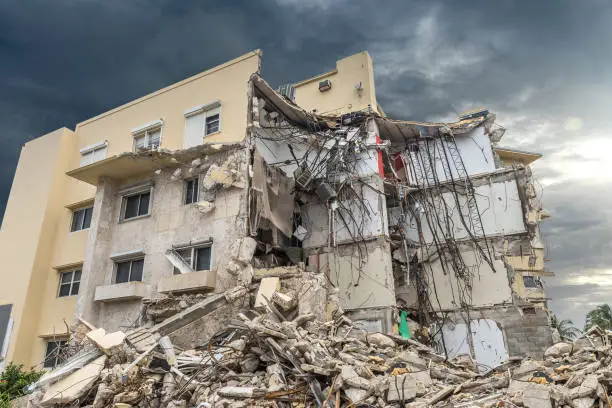
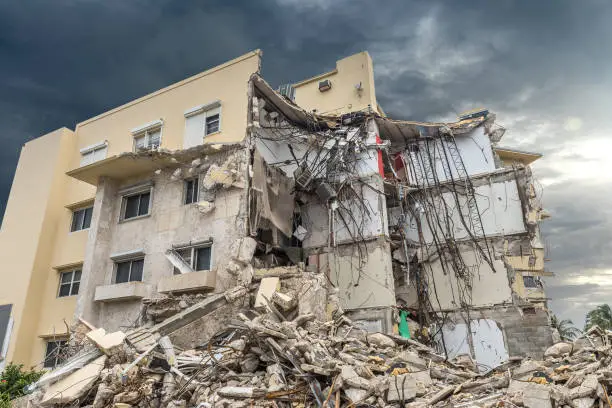
Au lendemain de la tragédie de George, le gouvernement sud-africain a annoncé une série de mesures d'urgence et de réformes pour éviter que des effondrements de bâtiments ne se reproduisent. Cet effondrement meurtrier, qui a coûté la vie à 30 personnes, a poussé les autorités à agir sans tarder pour renforcer la surveillance des chantiers, améliorer le respect des normes et protéger les communautés à travers tout le pays.
Les autorités ont insisté sur le fait que les leçons tirées de ce drame allaient façonner les politiques nationales de sécurité des bâtiments, afin que de tels incidents ne se répètent plus.
Réponse immédiate du gouvernement
- Le Président a présenté ses condoléances aux familles des victimes et réclamé que les responsabilités soient établies rapidement.
- Des cellules de crise ont été déployées à George pour coordonner les opérations de secours, de récupération des corps et d'inspection des bâtiments.
- Les responsables se sont engagés à passer en revue tous les immeubles de la zone pour en vérifier la solidité structurelle et la conformité aux normes.
Le ministre des Travaux publics a déclaré :
“Nous sommes déterminés à mettre en place des inspections plus strictes et à faire respecter les normes de construction avec rigueur. La tragédie de George nous rappelle avec force qu'il faut agir en amont en matière de sécurité.”
Réformes annoncées
Le gouvernement a présenté plusieurs initiatives en réponse à la tragédie de George :
- Renforcement des normes de construction : Des réglementations plus strictes sur les matériaux, la conception et les pratiques de construction.
- Inspections obligatoires : Des audits réguliers des bâtiments résidentiels et commerciaux.
- Mécanismes de responsabilisation : Des sanctions claires pour les entrepreneurs, les promoteurs et les fonctionnaires reconnus coupables de négligence.
Des experts estiment que ces réformes pourraient servir de modèle pour les normes nationales de sécurité dans la construction, dans l'objectif d'éviter d'autres catastrophes.
Renforcement du contrôle réglementaire
- Les municipalités locales devront désormais rendre compte à une cellule nationale de sécurité en matière d'inspections des bâtiments.
- Les autorités prévoient de numériser et de suivre les permis et les inspections pour éviter toute défaillance.
- Une ligne téléphonique et un système de signalement public ont été mis en place pour que les citoyens puissent signaler les structures dangereuses.
Ces mesures visent à restaurer la confiance du public dans la sécurité des constructions et dans l'application des réglementations.
Réactions de la communauté et du monde politique
- Les familles et les élus locaux ont salué les réformes gouvernementales, mais réclament une mise en œuvre rapide.
- Les partis d'opposition ont exigé des enquêtes transparentes et des poursuites judiciaires plus sévères contre les responsables négligents.
- Des campagnes sur les réseaux sociaux soulignent la nécessité de justice, de responsabilisation et de réformes durables en matière de sécurité.
La tragédie de George a relancé le débat national autour de la sécurité des constructions, de l'urbanisme et de la responsabilité réglementaire.
Les leçons à retenir
- Cet effondrement met en lumière l'importance capitale de l'application des normes et du respect des règles dans les projets de construction.
- Les autorités nationales passent en revue les anciennes autorisations pour s'assurer qu'aucun bâtiment ne présente un danger imminent.
- Des experts en sécurité recommandent d'adopter les meilleures pratiques internationales pour relever le niveau des normes de construction en Afrique du Sud.
Le gouvernement insiste sur le fait qu'une intervention proactive peut sauver des vies et prévenir des drames similaires.
Prochaines étapes
- Mener à terme l'enquête médico-légale sur le bâtiment de George afin de déterminer les responsabilités.
- Mettre pleinement en œuvre les réformes et les audits de sécurité dans toutes les grandes villes.
- Assurer un suivi continu pour garantir la responsabilisation et le respect des normes.
Les autorités invitent également les médias et les citoyens à s'en remettre aux canaux officiels pour obtenir des mises à jour et des informations fiables.
Conclusion
La tragédie de George a conduit le gouvernement à prendre des mesures décisives, avec de nouvelles politiques de sécurité et des réformes visant à prévenir de futurs effondrements. En renforçant la surveillance réglementaire, en faisant respecter les normes de construction et en instaurant des inspections à l'échelle nationale, les autorités entendent protéger les communautés et rétablir la confiance du public.
Alors que le pays pleure ses 30 morts, les réformes nées de ce drame pourraient constituer un héritage durable, garantissant des pratiques de construction plus sûres et une meilleure protection pour les Sud-Africains à l'avenir.